I participated in SEED 2020 to learn successful stories from other professionals. My career goal is to be successful in academia, to get tenured, and to impact many people’s life positively with my experience, knowledge, and skills. Especially as a junior faculty member, I was very interested in this because this participation can help me to plan to develop my career. I have learned a lot from other professionals through SEED 2020. Plenary presentations were excellent. I was very grateful to listen to successful stories in academia. The mindset such as “One day at a time” from Prof. BK Park, the advice of participation in NSF panel discussion from Prof. HJ Kim, and the comments about “networking with humanism” from Prof. JH Choi inspired me to plan next steps for my career. The talks from Prof. YS Park, Prof. GS Hwang, and Prof. YS Kim were also very informative and helpful. In addition, invaluable advice from GS Hwang, YS Kim, and BB Park thru breakout sessions really helped me to develop my academic career. I also learned from other participants as well. I miss in-person workshops, but I believe this is the best considering the current situation. Thank you, Prof. YH Sohn and the SEED 2020 executive committee for organizing and preparing for this great workshop.

I’ve been in industries for almost a decade without continuing into academia after my undergraduate graduation. Now I feel it’s time to consider a higher degree to expand my knowledge and network. From SEED, I wanted to prepare for my graduate degree. I felt a little overwhelmed because I appeared to be the only one who had an industry background and everyone was pursuing Ph.D. or higher. In general, I think it is a great opportunity to be able to prepare early and to be able to see from a different perspective. This year, unfortunately, it was a purely on-line event without actual interaction due to COVID-19, but I’ll definitely attend again in the future.
I am a Ph.D. candidate at Department of Immunology and Theranostics at City of Hope National Medical Center. My thesis project was on combined therapy with anti-CEA CAR T cells and immunocytokine anti-CEA-IL2 to treat CEA+ solid tumors in CEA transgenic mice. I applied to KSEA SEED 2020 since I am interested in continuing in academia and wanted to learn more about the hiring process and how I may prepare in coming years as a post-doc. Plenary sessions were all very informative and motivating. I became aware of many ways to get involved in my field and to enrich my career. During the break-out sessions, I was able to obtain advice on my career dilemma and virtually meet fellow graduate students. After meeting and hearing from many inspirational professors at SEED 2020, I feel better prepared to start my career post-graduate program.

I’m Wooje Chang, a 4th year Ph.D. candidate in Materials Science and Engineering, Northwestern University. As I become a so-called “old” year student this year, I started to think about the next step after my graduation seriously; either should be an industry or academia. My attitude toward academia in the US was always “hard-to-do” considering my language barrier and hard-requirement to get tenure from here, so I did not seriously think about this path. SEED conference with many successful faculties provides courage that I can also serve as a faculty in the US later. The efforts, however, were more than just concentrating research. To “SURVIVE” as non-native, panelists spent tons of time memorizing every single piece of script for a presentation and wrote grants as a grad student before they became faculties. In addition, the balance between work and life was always kept becoming both good researchers and family members. As a 4th year student, I also get a chance to think about myself as a part of a family, which I do not think about for a long time because of tons of work that I need to do right now. All panelists in SEED become my “MENTOR” for my academic path, which I really want to follow. After SEED, I determine that I want to become a person for the next generation who wants to survive or gets success from the US. I am not the mentor level, but I believe my path is not wrong at this point. Even if I need to develop myself more thoroughly, the lessons that I learn during SEED may help me guide my path toward a respectful person.

I am a post-doctoral research scientist at the Department of Chemical and Biological Engineering of Northwestern University working on microscopic dynamics of soft materials. As the recommendation from Prof. Ken Park from Northwestern University, I applied to attend KSEA SEED 2020. Before his comment, I was not aware of this opportunity to help the Ph.D. students, post-doc, and junior faculty positions from many experienced professors in the states. This class was helpful to find the effective way to apply for a faculty position as a tenure track professor. This was guiding me to know the related requirements and best-practices for the application process. There was unknown area in the process of getting hired as the assistant professor which was learned by the professors. I am sure to learn more and clearer insights in starting my career an academic environment. Especially the Q&A session after the main planetary sessions was highly recommended to people who struggle to find the faculty position because we can bring any types of questions and discuss the question and concerns. Although face-to-face personal interaction was really missed, SEED 2020 delivered the knowledge and interaction I was seeking as a post-doc through the virtual platform. I hope to attend SEED 2021 (in person, I hope) as an assistant professor in a university.

I am a graduate student at the Department of Biochemistry of University of Illinois at Urbana Champaign, working on developing analytical chemistry tools needed for biofuel related metabolic engineering. I applied to attend KSEA SEED 2020, because I am in interested in becoming a better researcher and learning about what to prepare for the next career steps. I also wanted to know about other researchers through networking. The plenary presentations were very fun and useful. The talks made me think deeper into pursuing career in national labs and inspired me to reach out to someone in a national lab for phone chat. The break-out sessions were very informative, and I learned of the importance of networking, experience for applying for funding, and professionalism. In the session, I found someone who does research similar to mine, and we did a very fun 1:1 Zoom conversation in science giving presentation to each other. I definitely met people whom I want to follow up after SEED.

I am an Assistant Professor of Biomedical Engineering, Chemical Engineering and Materials Science, Surgery, and Medicine at the University of Southern California. Our research program focuses on molecular design, nanomedicine, and tissue engineering to generate biomaterial strategies to address the limitations of clinical solutions. I wanted to attend KSEA SEED 2020 because I was interested in networking with fellow Korean American colleagues from across the nation and to learn from their experiences at the pre-tenure stage. I thought the plenary presentations were particularly effective because of the honesty and the thoughtful considerations the presenters provided. In addition, the break-out session among junior faculty was also very useful and interesting as a variety of different topics ranging from teaching, research, to work-life balance were openly shared and discussed. In 2021, I hope to meet everyone in person, but I also thought the virtual platform that was used this year was powerful and captured many people that may not typically be able to travel during this time of year.
I am an assistant professor at Arizona State University. I applied to attend Scientists and Engineers Early Career Development workshop at Korean American Scientists and Engineers Association in 2020 because I would like to develop my career in academia and meet other professionals. Through the workshop, I better understood the process of promotion and tenure, and grant writing processes.

My goals for attending SEED were two-fold: 1) to cultivate professional relationships for collaborative research with fellow KSEA colleagues, and 2) to develop mentorship relationships with faculty panelists for advice on success as a faculty candidate and independent researcher. I look forward to soliciting advice on preparing for academic positions. One key question I had was regarding how hiring practices are changing due to the pandemic, and how to prepare for changes that may be persisting afterwards. Also, as an aspiring independent investigator and a new KSEA member, I wanted to learn how to best utilize (and contribute to!) KSEA as a resource for career development. Talk by Dr. YS Park were extremely helpful for understanding the faculty hiring process from the inside. Although I am not a faculty yet, Dr. HJ Kim’s talk on tenure and promotion was also enlightening to see what challenges lie ahead as a young investigator. I particularly enjoyed the two breakout sessions with Dr. YS Park, Dr. HB Yun, Dr. S Park, Dr. YH Sohn, where we could freely ask questions about the faculty application processes and the search committees’ inner workings. Unfortunately, due to the zoom-format, making in-person connections with fellow attendees were very difficult, without much opportunities for discussing research ideas or making connections for collaborations. As I plan to attend SEED in the following years, I hope that a return to in-person meeting format would be more amenable to make more personal connections not only with the panelists and professors, but also with fellow colleagues and attendee at similar career junctures. I am happy to have attended SEED, and am thankful to have connected with mentors who could shed light on the exciting challenges ahead.

My name is Hyeonu Heo working at the Department of Physics of the University of North Texas as a post-doctoral research fellow. At the same time, I am teaching a couple of courses in the Department of Mechanical Engineering as an adjunct. My research interests are focused on manipulating acoustic/elastic wave propagation using artificially designed structures, i.e., metamaterials, and their applications, e.g., sound/vibration isolation. Also, I am interested in monitoring and advanced diagnostics of additive manufacturing for better understanding and material characterization using ultrasound. Although I have attended SEED before, I applied SEED 2020 again because now I am actively seeking a tenure track faculty position. I wanted to know more about the hiring process in detail and how to well prepare statements, etc. I have learned a lot from the plenary presentations, from leadership as a faculty to step-by-step to apply faculty, and the break-out sessions. I really appreciate all organizers and mentors for providing this invaluable workshop during pandemics. Hope we can meet all again soon and share success stories.
I am a fifth-year Ph.D. candidate at the department of pharmaceutical science at the University of Michigan College of Pharmacy. I applied to attend KSEA SEED2020 because I was interested in applying for a faculty position as a tenure track professor. I was interested in knowing how to prepare the job portfolio and the faculty hiring process. The breakout sessions were very informative as I was able to ask specific questions related to my situation. From here, I got much advice on how to prepare my research/teaching statement and my application package. I also learned the importance of a customized cover letter, teaching experience, application timeline, and how to prepare for the interview questions such as “How is your research different from your PI’s research?”. Thank you everyone for preparing the wonderful workshop!
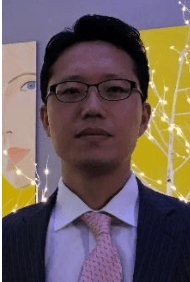
I want to thank Dr. YH Sohn and the organizing committee for hosting such a great conference. I believe the format and duration are very appropriate, and contents are very useful. Thank you again. I have been away from the academy for 10 years working in the oil and gas industry as a geo-data scientist and geophysicist. Industry experience is important for becoming a professor in the petroleum and mining department in American universities because there are many subsurface problems that the pure research approaches may not tackle. I understood this well and planned to start my career in the industry when I finished my PhD. Ten year is a bit more than I originally planned. I thought I should act soon if I really want research/teaching career. SEED event gave me priceless information and honestly, enlightened me how I should start to get a faculty position. Dr. YS Kim’s presentation about transformational leadership gave me insights. His advice may not immediately help my job search for a faculty position, but I am sure his insight and advice will impact my career for a longer time. The breakout session (Prof. Claire Hur and others) on Tuesday provided a variety of useful and practical tips for how to prepare interviews and build networks. I really appreciate panelists for sharing their experiences.
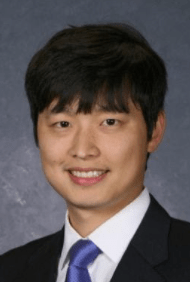
I attended SEED 2020 to have an opportunity to learn the details of the promotion and tenure process and to network with leading scholars. As expected, I was able to gain valuable advice and tips from discussion panelists on the expectations for promotion and tenure evaluations. I truly enjoyed discussing my experiences and concerns as a junior faculty member with other young professionals during the break-out sessions. I appreciate the Organizing Committee providing me with this great opportunity. I am also thankful to the speakers for generously sharing their experiences.

I work at Lawrence Berkeley National Laboratory as a Molecular Foundry Primary Researcher. I am a material scientist with interdisciplinary expertise in heterogeneous catalysis, chemical synthesis, (photo-)electrochemistry, polymer chemistry, nanotechnology, and reaction mechanism analysis using spectroscopic techniques. Based on these merits, I am pursuing my own vision to pioneer unprecedented and fundamental approaches for ramping artificial photosynthetic systems up to the terawatt scale level in a sustainable and cost-effective manner, thereby displacing the existing fossil fuel-based energy network. Through the workshop, I was able to realize what is the key to get through the highly competitive faculty hiring process, and how to prepare for the tenure application package after being hired as an assistant professor. The most memorable key word for me is “resilience.” Furthermore, I really appreciate the practical and powerful guidance from the plenary and invited scholars about how to customize the future cover letter, how to prepare the diversity statement, and how to craft, improve, and integrate the research and teaching statements. I sincerely hope the benefits I gained from the SEED 2020 will be spread out continuously to the future academia candidates.

I am a doctoral student at the Department of Epidemiology of the University of Florida working on optimizing the treatment of antimicrobial resistance (AMR) using machine learning. My motivation to attend KSEA SEED 2020 was derived from strong recommendations from KSEA Gainesville chapter leaders. Upon their strong recommendation, I decided to attend and get a clue for my future career path. Every plenary presentation was so inspiring and the break-out session was helpful to get to know each attendee. It was a great pleasure to participate in KSEA SEED 2020 and I will recommend this event to everyone who has aimed to develop further through networking and talks.
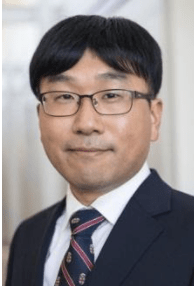
I am an assistant professor in the Department of Applied Mathematics at the University of California, Merced. I attended the KSEA SEED 2020 event as a junior faculty participant. Each session of the two-day workshop was informative and very helpful. When I applied for this program, I wanted to acquire insights on the tenure and promotion process as well as the grant application process. Throughout the SEED 2020 program, I not only gained much better and clearer understanding of these processes but also became motivated and inspired. While all plenary talks were inspirational, breakout room discussions with these speakers were what I liked the most. I could ask several questions that I have always wanted to ask. I truly appreciate this opportunity. I hope that in a near future I can contribute to the KSEA community by sharing my career experience.

I joined Prof. Marelli’s lab at MIT CEE in 2019 as a postdoctoral research associate. My recent research focuses on developing advanced nano/organic composite materials for sustainable food and agriculture systems. For the first time, I attended SEED 2019 as a newly hired postdoc, and the seminars, panel discussions, and networking with other colleagues strongly motivated me to continue my academic career. So, I applied for SEED 2020 again. For this time, I attended as an active job seeker for a faculty position in the US. I had expected to learn the actual decision-making process among search committee members from this SEED workshop. Also, I had expected panelists to deliver their know-how about emphasizing the applicant’s strength in their job packages. Three-days of break-out sessions (including a short one during the Friday reception) satisfied my expectation 100%. The zoom meeting format was very interactive and helpful to focus on the discussion, although I missed the overnight chat with drinks during SEED 2019. It became clearer what aspects should be emphasized in my cover letter, research statement, and teaching statement depending on the target schools. Also, I will better prepare for the interview by learning what the committees want to hear from the applicants. I sincerely appreciate all the organizers, speakers, and panelists for preparing the workshop. I also thank all the other participants for their great questions asking aspects that I never thought of before.
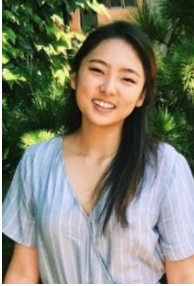
I am a master’s student in computer science at Georgia Tech while working full-time as a software engineer at Microsoft. I applied to KSEA SEED 2020 as I want to pursue my Ph.D. in computer science in the future. Interested in moving from industry to academia, SEED was a valuable place to learn the different challenges and pathways available in academia. As a lot of industry goals are centered around being promoted, I was so inspired by the genuine passion and interesting research that everyone was pursuing. Instead of focusing on titles and positions, it was refreshing to see life long research goals and mentorship relationships in academia. I am also thankful for the lessons that were presented such as Dr. Richard Kim’s intentional focus to serve and perspective from a successful career. His anecdote about the Sea of Galilee and the Dead Sea has really stuck with me and I want to be a researcher and leader that has a heart of serving. He also mentioned the importance of gratitude, and although he shared it from a leadership perspective, I am currently a student who is thankfully being led by many great mentors. I hope that as I prioritize always being thankful and expressing my gratitude, I can also teach my students one day to be grateful for the support I can give them as a professor in the future. The conference was also helpful to me because I came into the conference without academic mentorship. I have found it difficult to transition from industry because of the lack of information on topics such as funding or fellowships, but the different sessions at SEED helped fill in those gaps. I am so thankful for everything I learned at SEED this year and hope to attend next year as a Ph.D. student! Thank you so much!

Recently, in 2019, I started a new position of staff scientist at Lawrence Berkeley National Laboratory (LBNL). My career goal is to become an insightful group leader at LBNL and contribute to the fundamental understanding of materials design and synthesis for energy storage. While I have raised some research funds, which include ones from LDRD (LBNL), Robert Bosch, and Toyota-ECS fellowship, as a Principle Investigator, I am still struggling to find funding opportunities and have successful proposals to build up my own research team in LBNL. As an early career professional, I would like to learn (i) how to be a good and insightful advisor/supervisor for graduate students and postdocs and (ii) how to make successful proposals to DOE and industrial sponsors at KSEA SEED 2020. Through the SEED 2020, I could learn about what I need to prepare to successfully go through the career evaluation process and how to prepare successful research funding proposals (not only how to frame the proposals but also how to make contact with program managers). The most rewarding one was that I could listen to Senior’s personal experiences on how to balance their personal life and work, which is the most important aspect in life, not just a researcher but also as a human.

I am a post-doctoral associate at the Department of Oral Biology of University of Florida. I have been studying the microbiology field, especially for the bacterial pathogen, since 2008. I applied to attend KSEA SEED 2020, because I am interested in applying for a faculty position as a tenure track professor, and wanted to know the related requirements and best-practices for the application process. Plenary presentations were highly interesting and motivational. Every presenter prepared great quality presentations and tried to share their experiences. By attending the break-out sessions, I could meet a few good mentors and they have been helping me a lot. Especially, I would like to thank Dr. JY Woo (Cal Poly Pomona) and Dr. HJ An (Food and Drug Administration) for providing all the resources needed. I also thank all members of SEED 2020 for helpful discussions.

I am a pharmacist with a degree in doctor of pharmacy (Pharm.D.) who is interested in attending another graduate school for personal development and career advancement. As a student, I completed a study on Behavioral comparison of wildtype v. Nrf2 knockout mice with postnatal sodium valproate treatment Nrf2 knockout mice at the Department of Psychology and Toxicology at Rutgers University. Upon graduating from Rutgers’ School of Pharmacy program, I started working at Bayer Pharmaceuticals as a Drug Safety Associate. As a young professional, I signed up for SEED 2020 because I wanted to know what I can get from my decision to attend another graduate school program. I learned that a life of a researcher requires strategic approaches, from developing extraordinary research ideas/thesis to securing grants and research funding. There are diverse career paths that researchers can pursue, and this conference helped me understand that there is no one straight path. In addition, SEED provided an excellent opportunity for me to network with fellow researchers who may have come from different backgrounds, but have similar aspirations to become top scientists in each respective field. I am deeply grateful for the mentors who advised the participants based on their rich experiences in their industry, and KSEA for providing this wonderful opportunity to learn and grow.
I am a postdoctoral fellow of the Ganguly LAB at University of California, San Francisco. I am broadly interested in understanding the processes that underlie either memory consolidation and recovery from brain injury and using such characterization in a brain machine interface (BMI) to drive a therapeutic approach. In the Ganguly’s lab at UCSF, I have worked on understanding the natural network basis of BMI/motor learning in rodents. This work furthered my interests into understanding learning and computation of the injured brain. My long-term goal is to become an independent investigator focusing on advancing new neurotechnologies that facilitate motor control, especially during sleep. Through KSEA SEED 2020, I expected to gain the strategy and plan for career development to be a tenure track professor in the US as well as make an invaluable social network. As anticipated, KSEA SEED 2020 provided valuable tips/advice in research, career/personal development, and job application. For example, the talk about “five levels of leadership” by Dr. YS Kim reminded me what I wanted to be as a leader in my research field. The talk by Dr. JH Choi encouraged me to get a faculty job in the US as one of postdocs who get the PhD degree in South Korea. More specifically, as soon as I get this talk, I made the detailed plan for taking online lecture to practice interview/job-talk in English. Most remarkably, the active discussions in the break-out sessions are amazingly helpful and practical for me to move toward the next step in my career. I am so happy that the KSEA SEED 2020 provided pretty more than my expectations. I wish to have a chance to contribute to the future SEED workshop as an active member of KSEA.
I have been pursuing my academic career, applying for tenure-track faculty positions and national lab positions. As a SEED 2018-2020 participant, I think SEED is an excellent forum to exchange experiences and information for early career development. Not only exceptional keynote speakers but also outstanding peers I met at SEEDs inspired and motivated me. This year SEED was a great opportunity for me to look back on myself realizing how much I learned from SEEDs. For instance, the questions I had in my mind during SEED 2018 were very abstract and different from what I have now. Applying the knowledge I gained from SEEDs and others to application processes was valuable experience.
It was unfortunate that we could not meet up in person this year. I expected to have active interactions with mentors and peers at SEED 2020 so that I can learn others’ perspectives. Due to the limited time and the conflict of schedule with UKC 2020, I think the sufficient time for social interactions with peers could not be allocated. I hope for face-to-face SEED 2021 for next year participants. I thank all speakers and panelists for organizing this event as well as sharing their experiences and tips.
I am a Ph.D. candidate at the Department of Geography and Geographic Information Science at the University of Illinois at Urbana-Champaign. I attended the KSEA SEED 2020 to learn more about how to effectively prepare for applying for university faculty positions and to widen my professional networks. The plenary sessions were very helpful for me to think about what I should prepare for the job market to become a compelling candidate. Although technical and practical tips provided by speakers were very useful, I observed that there is one common thing I should have: positive and energetic attitudes while preparing for the job. The breakout session was a great opportunity to know other KSEA members and widen my professional network. The informal Q&A format utilized in my session (Graduate Student Session) was very effective because participants can freely ask their questions in a more comfortable atmosphere. Furthermore, I was very happy to learn about my mentors and friends in similar fields. Despite the virtual environment constrained by the COVID-19 pandemic, I can certainly feel participants’ passion and energy to develop their professional careers, which highly motivates me. Lastly, I would like to say thank you to all personnel who prepared and organized this event. I hope you all stay healthy and safe during this pandemic.
Currently, I work with Dr. William R Wagner as a post-doctoral research associate at the University of Pittsburgh from 2018, after I obtained my Ph.D. degree in Biomedical Engineering at the University of Manitoba in Canada. As a polymer chemist, I have research interests in topical drug delivery systems and polymeric biomaterials for minimally invasive regenerative medicine. I attended SEED in 2019 and received huge motivation from senior researchers and colleagues. Moreover, I could make precious friends who are getting through the same obstacles as me. Without any hesitation, I re-attended SEED in 2020 full of happiness and willing to share my experiences. Although we had to meet over the ZOOM in this year, I could get useful advice from seniors who have a warm heart for foolish starters. And it was a healing time spending with friends from the last SEED. I hope we can meet in person at the next SEED for sharing good news and experiences. Thank you for having me in this great opportunity.

I am an assistant professor at the Department of Electrical and Computer Engineering of Georgia Southern University since 2017. My research interest is centered around wireless communications and networking, with particular focus on vehicular communications and networking for intelligent transportation system. I applied to attend this year’s KSEA SEED with desire to broaden relationship with senior faculty and early-career fellows, as an effort to build academic collaborations for future grant proposals. However, what I found was that the event was even more interesting and helpful. The panelists did stellar jobs in sharing their live experiences in a light atmosphere. It provided motivation and refreshment on my life as a young scholar, which was even more valuable than just being told about writing grants and papers. Also, in breakout sessions, I was able to ask more realistic questions and receive valuable advice. The panelists in the breakout sessions allowed the participants to ask a wide variety of questions in an easy, casual environment. The smaller, more concentrated setting gave the participants a chance to get to know each other better and share ideas on their future research projects. Overall, the SEED 2020 was a highly helpful event, which inspired me in all the directions that I need to improve as an early-career scholar. I sincerely look forward to attending the event again in future years. Lastly, I would like to send my greatest appreciation to all KSEA organizers and panelists for their superb effort in running the organization and delivering the event successfully.
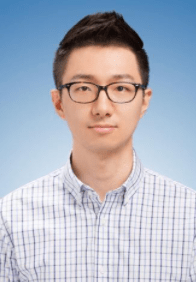
I am an assistant professor at Clarkson University. The SEED 2020 gave me an opportunity to know about working in the US as an international scholar from many pioneers. To me, it was really helpful to learn about the tenure and promotion from Dr. Hojong Kim who just went through the process. The breakout session allowed for a detailed discussion, which is a rare opportunity to directly ask specific questions as well as listen to other participants who are also in their early career. Although there are several concerns about a virtual event compared to an in-person meeting, I believe that some participants, including myself, benefited a lot from the new platform. It might have been difficult to travel due to family and scheduling conflict, which was one of the reasons I could not attend the previous SEED. This unique environment rather enabled us to meet regardless of time and location. I would even recommend organizing the SEED twice (e.g., in-person and virtual meetings) to broaden participation. Finally, I hope to be involved to share my experience once I become successful in the near future.

One of my career goals is to be able to hold a profession that enables both the interaction with college students and cutting-edge research activities. To achieve this goal, I have been applying for assistant professorship within the US. Over my 35 year-long life, I have spent the first half (~16 years) in Korea and the second half (~19 years) in the US. While my academic career is shaped and contained by the US’s education system, my aspiration for the Korean culture and its values in a global scene has never been higher. I am interested to ask the speakers and the panels on their view on employing the Korean root in their respective academic environment. I believe SEED is the perfect venue for me to engage the Korean-American professors and other young professionals, whom I can ask for their first-hand experiences along their career paths. The biggest takeaway for me is the fact that I was able to virtually meet the professionals I may have never been able to in such a short time period. I thoroughly enjoyed learning the professors’ career paths and how they were all unique. This gave me an indirect confidence that there really is no ‘one’ way to pursue one’s life goal, but one rather should build a priority list of life and make genuine effort in each of them. Similarly, another takeaway from a plenary talk was the phrase, “If you have to do it, you might as well make it worth it.” This message resonated in me and made me think about everything I need to do, not just research but any other small things in life. For more technical contents, the advice regarding faculty application strategy was very helpful. The comments were based on first-hand experience and someone who served as a recruiting committee helped with how I should prepare the application package. I really appreciate how all contributors (organizers, moderator, speakers, panelists) were genuine with their portion and worked hard to provide helpful comments for the attendees. Finally, I think SEED 2020 holds a great potential to become an extremely useful platform for systematically training junior faculties and aspiring postdocs and look forward to participating again hopefully face-to-face.

I am a PhD candidate (all but dissertation) in Architecture, with a specialization in Building Science, Technology and Sustainability, at the University of California, Berkeley, and plan to complete my degree in May 2021. I participated in KSEA SEED 2020 to further expand my network and receive mentorship regarding the job application process for a tenure-track faculty position. KSEA SEED 2020 was very helpful for me in various aspects. The plenary presentations were very motivating and encouraging me to pursue an academic career in the US. I particularly loved to listen to all the professional and personal experiences and the journey that the senior KSEA members went through. I was excited to envision myself to be one of them in the near future. The break-out sessions (PD) were also very informative. We discussed various topics related to the tenure-track professor job application process, which is very different from industry or other job searching process. As I am currently applying for tenure-track positions and preparing for the first interview, it was beneficial to listen to what the search committee would look for and how the applicants should be ready for the application package, interviews, and presentations. I believe my experience with KSEA SEED will help me continue my academic career, and I hope to contribute to this event as an assistant professor in the near future.
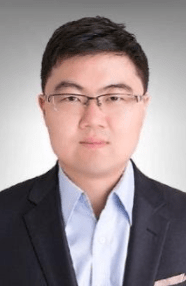
I am a research staff at the Center of Nanophase Materials Sciences of Oak Ridge National Laboratory. Currently I am working on condensed matter experimental research using scanning probe microscope. I am very glad that I attended the KSEA SEED 2020. The best part of the SEED was that I noticed that I am not the only early career researcher who is suffering from the uncertain future, but there are so many Korean colleagues who have similar worries. The plenary talks covered the broad issues from general life goals and mindsets to the detailed strategies for successful getting of jobs and funds. Among them, there are few things I will keep remembering: 1) Set the goals as high as possible, and other things (secure job, etc) will come along automatically; 2) Make senior champion in your department who will defend for you; 3) Friends come and go, but enemy accumulates; 4) Go to proposal review panel to learn how proposals are getting rejected; 5) Family is always the most priority. All of them I cannot agree more. I am sure that I will recommend SEED to other researchers, especially near-graduation PhD, postdocs, and early career researchers, who has so many questions for their future career. I am also more interested in KSEA now, and want to have more chance of participation in other events.
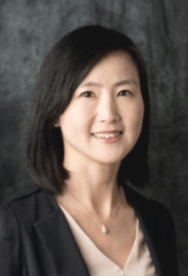
I am an Assistant Professor of Food Science & Technology at Oregon State University. My research focuses on exploring unique and valuable biomedical functions of natural molecules derived from dietary sources, with a particular interest in the modulatory effect of bioactive dietary constituents in metabolic inflammation and oxidative stress. I learned about KSEA SEED workshop a couple of years ago, but I haven’t had a chance to attend it due to the time constraints of traveling. The virtual format of KSEA SEED 2020 workshop allowed me to finally attend the event for the first time. I was immediately impressed by how well organized and prepared the workshop was and by the lineup of speakers with remarkable academic success. As a tenure track faculty member who soon will be going into my P&T evaluation, I was intrigued to hear from the successful senior faculty members on the topic and learn their insight and advice toward junior faculty. While there are programs and resources within my college and departments that are designed to support junior faculty, the additional challenges experienced by foreign nationals are often not considered or addressed. At SEED 2020, I was able to hear from people who went through the same experience, which was highly useful and relevant, and learned many important lessons to survive and thrive in an academic career. The speakers were incredibly open and approachable to the attendees and they were willing to help and support the young scientists to be successful. The small breakout sessions allowed the attendees to connect with other junior faculty who are in similar phases of an academic career and allowed us to share our experience which was also helpful. Overall, my first attendance at the SEED workshop, even though virtual, was an exceedingly positive experience. I will not hesitate to attend it again in the future.

I am a postdoctoral researcher at the Department of Biomedical Engineering at Duke University working on mathematical modeling of synthetic genetic circuits. I attended the KSEA SEED Workshop in order to obtain first-hand experiences shared from senior researchers from the industry and academia. Particularly, I was seeking their experiences and advice on how to survive during the stressful postdoctoral life, prepare for future faculty application materials, and what to expect throughout the application process. Far exceeding my expectations, plenary presentations were all highly encouraging and helped me have a quick look on their journeys to their current academic career. At the same time, the break-out sessions for postdocs and graduate students gave further discussion on what to do and prepare for future faculty positions. Particularly, one of the most important take-home messages I got is to personalize your application to each institute you plan to apply to. Overall, I really enjoyed the two-day long workshop and kept me motivated. Lastly, I hope the next year’s SEED workshop will be in-person and I can attend it again.

I am a post-doctoral researcher at the Department of Biochemistry at the Weill Cornell Medicine, New York. I’m studying to find mechanisms of many neurological degeneration diseases involved in G-protein coupled receptors (GPCR) focusing on metabotropic glutamate receptors (mGluRs) in Class C GPCR. This is my first time attending a major KSEA event virtually and I applied to attend KSEA SEED 2020, because I am planning to apply for a tenure track faculty position next year and I wanted to know the detail hiring process. Plenary presentations were very interesting and motivational. I remember one of the talks presenting about different levels of leaders. I believe becoming a professor will not only allow me to contribute to the society in terms of scientific progress and findings but also to contribute as an educator who can inspire other people. The break-out sessions were also very useful and interactive. I learned more personal stories during the whole hiring process and detailed tips about what we can do during the process. SEED 2020 really delivered the knowledge and interaction I was seeking as a post-doc through the virtual platform. I hope to attend SEED 2021 hopefully in person as an assistant professor. I appreciate all the people who organized this event. Thank you.
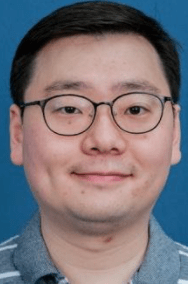
I am a postdoctoral fellow at Moffitt Cancer Center in Tampa, FL. Currently I’m working on biomedical data analysis using machine learning and data mining techniques. I attended KSEA SEED 2020 because I wanted to know how other Korean scientists like me found successful careers in the US, and I wanted to find some role models so that I can find the best career path for my future. During SEED 2020, I could have a chance to meet and listen to the great scientists’ successful stories. It was great to listen to how the speakers have been prepared for finding, applying and maintaining their successful positions. I also found that many of those who are in successful positions had to overcome a lot of obstacles and still try hard. Also, it was nice to meet the great researchers in the US. After SEED 2020, I can understand what to prepare for my future more clearly. Those were great lessons for my future career.

First, I would like to thank the SEED committee for such a great program. Every single speech from the speakers was truly inspirational and nurturing motivation for being a professor. After listening to the lectures, I was able to develop a much clearer perception of my future tasks. My Ph. D. (from UCLA) was in wired and wireless networking, and my expertise spans software engineering, data analysis, and analysis of algorithms. My research interests lead to the area of the Internet of Things and cyber-physical systems from my background. Before joining California State University, Los Angeles this fall semester (as an assistant professor), I worked 25+ years in various capacities in Los Angeles City. For my inchoate academic career, one of the (Korean) senior faculty in our school strongly recommended that I join the SEED program, and I am so glad that I did! The program was replete with valuable information. Significantly, the speeches from the SEED panel provided me with life-saving wisdom. The lessons taught me so many incredible insights in my academic career and challenged me as well. Also, the specific advice on how to proceed with the proposal was beneficial. Besides, sharing the personal story by the SEED panel gave me such great inspiration. Again, I would like to thank the SEED committee and hope to see you again!

I am a PhD student at the Department of Horticultural Science of North Carolina State University studying postharvest physiology and genomics in blueberry. I just started my PhD last Fall, so I have a myriad of questions on how to successfully build up my doctoral research. This led me to apply to the KSEA SEED 2020. Every session was highly informative and inspiring. Break-out sessions for graduate students, which were focused on achieving excellence on doctoral research and dissertation, gave each participant including myself an opportunity to share their own concerns. The panelists gave out constructive advice and fellow graduate students shared their personal experiences on how to set up the right mentality and strategy. Further along the future, I want to become a professor, a passionate researcher, and an enthusiastic teacher/mentor. The plenary sessions on both days provided priceless advice and valuable insights based on the presenters’ experiences on how to gain proper leadership and research skills. I want to thank the SEED 2020 Organizing Committee for putting together and offering such a fruitful event. I gained much more than I had expected. I am already looking forward to attending SEED again in 2021.

I am a Ph.D. candidate in the Department of Agricultural and Biological Engineering at the University of Florida. My research interest lies in modeling human-environment systems with complex system approaches. I attended KSEA SEED 2020 as I am currently applying for postdoc and faculty positions. I faced several difficulties because it was my first time applying, and I wanted to get advice for the application. Moreover, I hoped to network with other researchers and industry workers. In the SEED, I obtained a lot of information for academic positions and learned what I could do for a better application. Other professional’s stories clarified my future direction and enabled me to pursue more specific goals. Moreover, I talked with diverse students, researchers, and professors and formed new networks with them. SEED greatly improved me to become an independent researcher. I hope to join SEED in the following years and even help students in the future as a mentor.
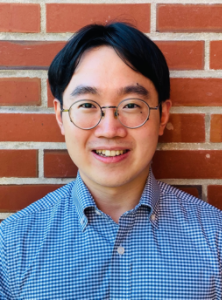
I am a third year Ph.D. student in the Department of Industrial and Systems Engineering at University of Florida. My research interest is data science in healthcare to improve hospital operations. Dr. Gloria Kim at the same university promoted KSEA SEED and I was considering academia and industry after my graduation at that time. So, I expected to hear life in academia from current professors in this event, and this is my first time. The plenary talks and the break-out sessions inspired me to strategically plan my future goal. In terms of a successful career, the members of my break-out sessions informed me of things to do in my PhD program (e.g., applying for a small grant, experiencing a various project). I had just doubled down my own research and interests. Inspired by this, I am going to attend various seminars and hope to broaden my knowledge. At the same time, in terms of a successful life, many speakers emphasized devoting more time to my family and a good relationship with others. So, I am planning to talk with my parents at least two times in a week. Also, I am seeking what I contribute to my community to achieve excellence in leadership. Overall, although my career goal is not determined yet, KSEA SEED provided guidance and it will be helpful in the rest of my PhD program. I appreciate the effort of all organizers and all speakers.
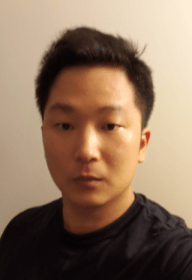
I am a Ph.D. candidate in Pharmaceutical Science at the Department of Biopharmaceutical of Chapman university school of pharmacy, working on effective and targeted anticancer drug delivery using cyclic cell-penetrating peptides. I applied to attend KSEA SEED 2020 because I was interested to know possible tips on getting a nearly-impossible academic position. I wanted to build connections with fellow companions and potential mentor(s) and get involved in KSEA activities. As I will be soon graduating with a Ph.D. degree and I am open to both academic positions and industrial positions, I believed it would be an excellent opportunity to learn more about process and tips on starting an academic career. Plenary presentations were very well organized and touched on the basics that we are often unaware of, such as 5 levels of leadership, practical matters, and preparing for the interviews a year ahead. Many priceless yet very practical talks on detailed planning and how to maintain networking connections. Many valuable insights and tips with personal experiences presented in the plenary session showed how much the presenters and organizers wanted to help the next generation of KSEA to be successful. Bits and pieces of know-how and the tips given during the two days talk by multiple presenters were absolutely priceless, and with that saying, I really appreciated all the speakers and organizers on how much they were prepared to help us and motivate the attendees. Many pieces of advice given in between the presentations quenches our thirst for the things we might have been troubled during our graduate school. Very personal break-out sessions were valuable to many of us as it makes us feel connected. Though it was very casual and virtual, all the organizers and presenters at the SEED 2020 were very eager to give us tips and tricks on becoming successful. It was an extremely constructive session, especially at this time of year. I hope to attend the SEED event again in the near future with the next chapter of my career. I really appreciated and treasured this event.

I am a PhD student in chemistry at Oregon State University. Meetings and Networking with new people in different fields of study are always welcome. I was very motivated in pursuing my career since I joined a 2019 SEED workshop, so I really looked forward to participating in this workshop again. I attended 2020 SEED workshop to share success/failure stories that could be helpful for my rest of PhD journey and get useful tips and things to prepare for my next chapter. First of all, I got to know one who is in a similar field with me and we spent some time to explain our own projects and also discussed possible new project ideas which make both of us very excited. Secondly, I could see that all panelists and participants have different backgrounds, opinions and thoughts. Some have very straightforward and targeted approaches, and some prefer to open different options/paths in moving forward. I was able to get advice from different people, and it made me consider a variety of factors in career development and ask myself what I really want and like. It also became a good opportunity for me to think that my point of views was somewhat narrow since I have worked with my colleagues in the same field/major. This workshop helped me to keep an open eye for a bigger picture of a better future career. I would really appreciate all organizers/panelists and support for this workshop.

I am a Ph.D. candidate in the Department of Mechanical Engineering at the University of Utah. I decided to attend KSEA SEED 2020 to meet senior people and listen to their experience in academic. The plenary presentations from professors with different backgrounds were really helpful to grasp the whole picture of the faculty hiring process. Beyond the plenary presentations, there were breakout sessions where attendants could ask their personal questions in detail. Through the breakout sessions, now I have a better understanding of what the faculty searching committee is looking for from a candidate. Even though KSEA SEED 2020 was held virtually, I did not feel any lack of experience. I definitely want to attend KSEA SEED 2021 again.

I am joining the Department of Civil and Environmental Engineering of Southern Illinois University Carbondale as an assistant professor. As beginning a new faculty position, I was thrilled to be selected to participate in KSEA SEED 2020 because I wanted to learn how to start the faculty position successfully. Plenary presentations helped me build ideas on setting up my laboratory and understand how the assistant professors have made their efforts to receive promotion and tenure. The break-out sessions provided great chances to make new friends and mentors, understand what concerns the junior faculty has, and discuss how they have addressed the concerns. I appreciate the speakers, panels, and attendees sharing their experience in career development and preparation for the faculty promotion and tenure. I hope to attend SEED events again in the future to share my experience in career development and successful faculty life.

I am a graduate student at the department of electrical engineering of Louisiana State University working on portable fluorescence sensor platform development. I gained a lot of invaluable information on how to apply for faculty positions and what I need to prepare myself. After completing the SEED workshop, I became more confident and able to overcome my fears of pursuing an academic job in the future. I want to thank especially Dr. YS Park for sharing his application documents during the workshop. I was lost in the dark about how to even start applying for the faculty position, but he enlightened me by showing step by step progress that he went through in the past. My deepest appreciation goes to those who spent their time and effort to organize such a great workshop to help junior Korean researchers. I have a strong motivation to help other Korean scientists in the future throughout KSEA.
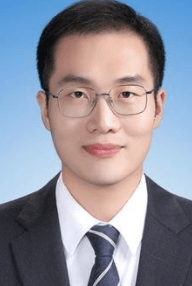
I am a Ph.D. candidate Huck institute of Life Science at Penn State University working on function of ER stress in cancer development and progression. I decided to attend KSEA SEED 2020 because I thought it is a great chance to collect and absorb precursors’ experience and comments to reflect my venture of lifelong research career and I was right. I will apply for a faculty position as a tenure track professor or staff scientist in national lab. So, before I proceed to that route, I wanted to know the related requirements and best-practices for the application process. I also wanted to grasp a sketch of my postdoctoral life to achieve the recommended requirements. The presentations in Plenary sessions were motivational. During and after sessions, I reminded myself the purpose and reason why I am in the academia. By attending the break-out sessions, I learned about how to prepare and improve my verbal presentation skills, which would help me to prepare my future career. Although face-to-face interaction was missed in this SEED 2020, this event helped me to sketch my future career and preparation which I was seeking as a last year Ph.D. student in this virtual platform. I will attend to SEED 2021 to figure out where I am and how I can reach to the place I want to belong.
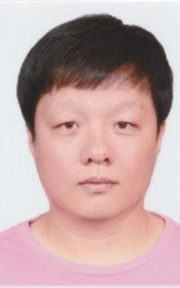
I work at Fermi National Accelerator Laboratory (FNAL) as a staff scientist. I have been working at FNAL since 2016. I got PhD 2010 from University of Wisconsin Madison, and then did post-doc at National High Magnetic Field Lab by 2013. After that, I was promoted to Research Faculty and worked at NHMFL by 2015. I registered for this SEED workshop because I am thinking of changing my career into the academic area. I am mostly interested in how to prepare for a faculty position. I was able to hear many of young people’s thoughts and their efforts to prepare for academic job. I could feel their challenging. Also, the plenary talks really helped to manipulate my strategy. This workshop really inspired me and gave a great opportunity to look over my career. Thank you.

My career goal for the near future is to become a professor in non-invasive optical brain monitoring to understand various diseases and apply the technology in daily life. And I believe that by serving as a professor, I can maintain my enthusiasm in research and actively find ways to collaborate with many others who are not in this field but can benefit from what I do. What I wanted by participating SEED2020 was to get information on faculty job searching processes and strategies. Although I knew how much the event was helpful from last year when I attended the same event, this time, I was skeptical because I am already feeling tired of attending conference gatherings via Zoom. Lacking in-person interaction always made me feel difficult to have a productive conversation. But I can say for sure that even with this COVID19 pandemic, I felt welcomed by the panels and organizers as if we were meeting in person. I think that was because all the organizers and panels were patient, friendly, active, funny, layback, and genuinely willing to help the SEED participants in their busy schedule. I also should mention that I was happy to see some of the last year’s SEED participants again – we, 4 of us, even caught up the first night at a separate video call! Finally, needless to say, I greatly appreciate Dr. YH Sohn for his leadership, kindness, and time for us to get together and re-polish my goals and dreams towards a successful KSEA engineer!
You can’t stop SEED, COVID.

I am a post-doctoral research scientist at the Department of Materials Science and Engineering of University of Central Florida working on additive manufacturing of metallic alloys. I applied to attend KSEA SEED 2020, because I may be interested in applying for a faculty position as a tenure track professor, and wanted to know the related requirements and best-practices for the application process. I also wanted to know how the faculty hiring process works, particularly how the faculty search committee works. Plenary presentations were highly interesting and motivational. I gained more and clearer interests in starting my career an academic environment. By attending the break-out sessions, I learned about how to prepare my research and teaching statements, which would help me to prepare my application package. Understanding of how search committee work would also help me when I get to be selected for the potential interview process. Although face-to-face personal interaction was really missed, SEED 2020 delivered the knowledge and interaction I was seeking as a post-doc through the virtual platform. I hope to attend SEED 2021 (in person, I hope) as an assistant professor in a university.
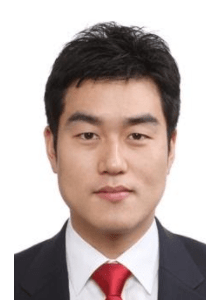
As a junior faculty member in the Department of Civil Engineering at California State Polytechnic University, Pomona (Cal Poly Pomona), I would like to be an effective teacher and an independent researcher with my industry experience, academic accomplishment, and instructional skills. From the plenary presentations, I was able to learn about teaching, research, and service from the recently promoted and tenured associate professors. Also, I learned how to become a good leader. My institution, Cal Poly Pomona, emphasizes the teacher-scholar model, which integrates various scholarly activities and services with teaching. During the break-out sessions, I discussed with mentors and peers about the best practices of proposal writing, potential collaborations, collegiality, and time management. I also learned from KSEA SEED 2020 includes a network for interdisciplinary scholarly activities, exchange teaching pedagogy, and online teaching tactics. I will share my experience with other participants and be a resource for my future collaborators. I am looking forward to future career development opportunities with KSEA. Thank you.
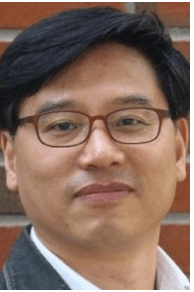
I am a Ph.D. candidate at the M.E. Rinker, Sir. School of Construction Management of University of Florida working on Blockchain framework for Building energy performance MRV. I attended KSEA SEED 2020, since I was interested in getting a faculty position as a tenure track professor, and wanted to get knowledge of the requirements and best-practices for the application phases. I also wanted to know the tips for preparing the faculty hiring process, especially how the search committee thinks and responds to the applicants. From the plenary session, I obtained more and clearer ideas about getting my career in academic world. By attending the break-out sessions, I learned about how to prepare faculty application package such as cover letter, research, teaching, and diversity statement. Understanding how search committees roll out would also help me when I get to be chosen for the potential interview. Although in-person practices were really blocked by COVID 19, SEED 2020 offered me the valuable knowledge. I hope to attend SEED 2021, as an assistant professor in a university.
 KSEA e-Letters