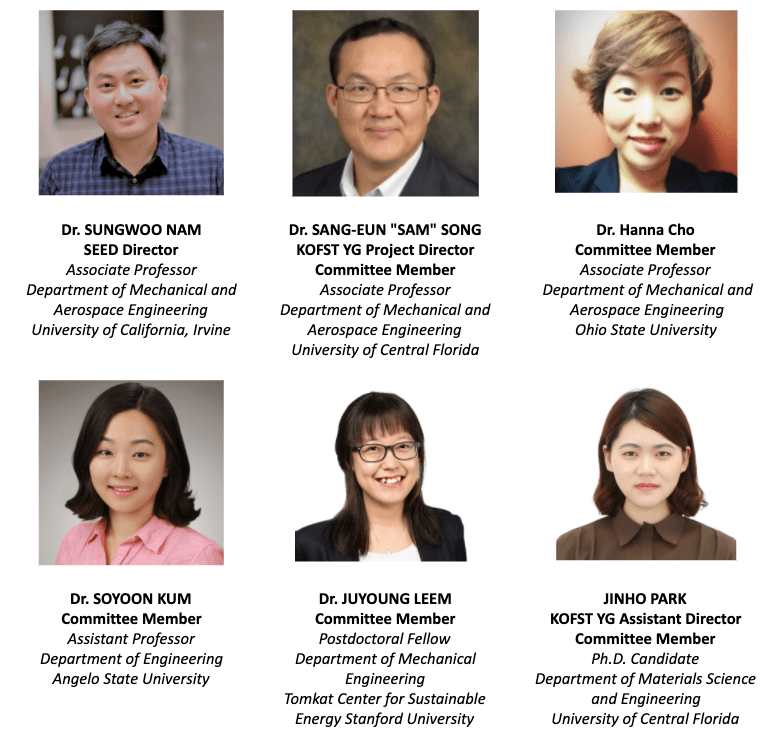
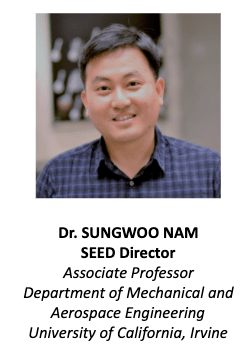
The SEED 2021 was held at the Hyatt Regency Orange County on December 14-15, 2021. This workshop program, offered by KSEA since 2013, is designed to provide mentorship to, and help develop the careers of, junior Korean-American scientists and engineers. As the SEED director, it was both a privilege and fulfilling experience to organize this important workshop with five other wonderful committee members including Dr. Hanna Cho (Associate Professor, The Ohio State University), Dr. Soyoon Kum (Assistant Professor, Angelo State University), Dr. Juyoung Leem (Postdoctoral Fellow, Stanford University), Dr. Sang-Eun “Sam” Song (Associate Professor, University of Central Florida), and Ms. Jinho Park (Graduate Student, University of Central Florida).
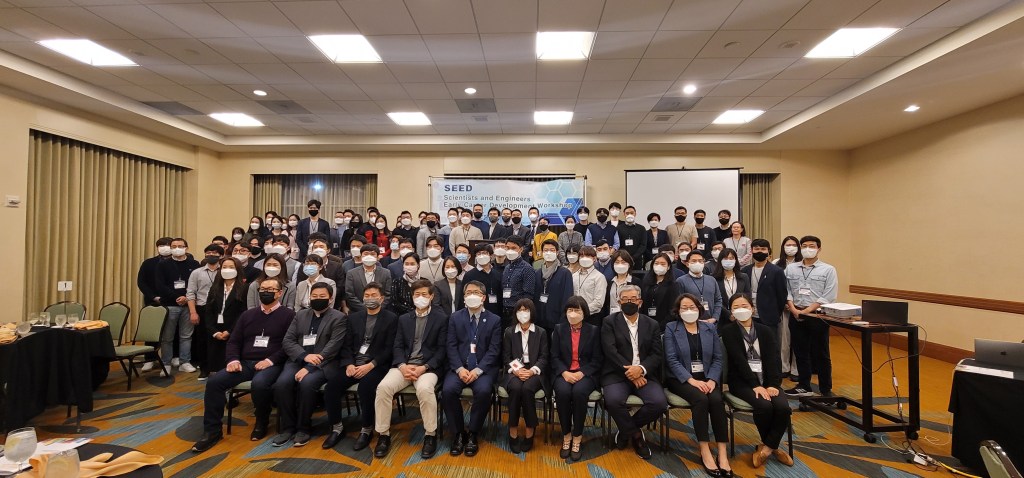
Under the theme of “Building a Sustainable and Successful Career and Life”, the intention of this year’s program was to provide opportunities to discuss sustainable career planning & development, and cultivate mentoring relationships among participants. The SEED 2021 comprised three plenary sessions, three panel discussions, subgroup meetings, and a lightning talk session. Each plenary session included 10-20 minutes of Q&A at the end. In panel discussions, the panelists briefly shared their stories, and then engaged in further discussions with the audience. Through collaboration with KOFST YG, plenary sessions and panel discussions were broadcasted via Zoom to the invited participants from Korea. After the group dinner, we hosted subgroup meetings, which were designed to foster informal, direct conversations between mentees and mentors. Last but not least, the lightning talk session aimed to explore collaboration opportunities among the participants. In the SEED 2021 workshop, we also hosted tea time meetings (both in person and Zoom meetings) for SEED participants to meet with leaders of national laboratories, universities and industries from Korea.
We were pleased to have approximately 80 selected participants in attendance, including PhD students, postdoctoral associates, early-career professionals and assistant professors. We also had 14 mentors, including three plenary speakers and eleven mid-career mentors. All participants were actively engaged in all activities as both mentor and mentee, facilitating very dynamic interactions among attendees. Our plenary speakers are the leaders of their field, and included Dr. Chang-Jin “CJ” Kim (Distinguished Professor and Volgenau Endowed Chair in Engineering, University of California, Los Angeles), Dr. Young-Kee Kim (Louise Block Distinguished Service Professor and Chair of the Department of Physics, University of Chicago), and Dr. Yongho Sohn (UCF Pegasus Professor and Lockhead Martin Professor of Engineering, University of Central Florida). Our mid-career mentors are the rising stars in their fields, and included Dr. Jin Ouk Choi (Assistant Professor, University of Nevada, Las Vegas), Dr. Hong-Gu Kang (Associate Professor, Texas State University), Dr. Sung Hoon Kang (Assistant Professor, Johns Hopkins University), Dr. Wonmo Kang (Assistant Professor, Arizona State University), Dr. Jiyoung Lee (Professor, The Ohio State University), Dr. Il Minn (Assistant Professor, Johns Hopkins University), Dr. Boohyun Nam (Associate Professor, University of Central Florida), Dr. Hee Jeung Oh (Assistant Professor, Pennsylvania State University), Dr. Sibum Sung (Associate Professor, University of Texas, Austin), Dr. Yoonjin Won (Associate Professor, University of California, Irvine), and Dr. Jinkyoung Yoo (Co-leader of Quantum Materials Systems, Los Alamos National Laboratory).
The SEED 2021 featured three plenary talks given by distinguished scholars including Dr. Yongho Sohn, Dr. Chang-Jin “CJ” Kim, and Dr. Young-Kee Kim. Two distinguished guests, Dr. Woo Il Lee, President of the Korean Federation of Science & Technology Societies (KOFST) and Dr. Hee Sun Chung, President of the Korea Federation of Women’s Science & Technology Association (KOFWST), joined the SEED 2021 dinner and the plenary talk by Dr. Young-Kee Kim.
The first plenary talk was delivered by Dr. Yongho Sohn. He shared his personal experiences and advice on sustaining academic excellence, mentoring students/postdocs and establishing successful academic and industry networks. His openness in sharing his past trajectory, including his successes and challenges as a student, postdoctoral research associate, and his independent academic positions, left a strong impression and inspiration upon the attendees.
The second plenary talk was delivered by Dr. Chang-Jin “CJ” Kim. He shared his wide experience ranging from basic fundamental research to applied translational research. He shared his career trajectory and how his research pillars have led to recognitions in his professional society, the success of his students/postdocs, and industrial translation through start-up companies and technology licenses. He also left a strong impression to the SEED attendees of his continued effort to achieve real world impact from his research endeavors.
The evening event of the first day started with a brief introductory and welcoming remarks by Dr. Byungkyu Brian Park, President of the KSEA, Dr. Woo Il Lee, President of the KOFST and Dr. Hee Sun Chung, President of the KOFWST. All three presidents shared their views on the importance of diversity in academic excellence and celebrated the diverse pool of participants in the SEED 2021 Workshop.
After the dinner, Dr. Young-Kee Kim delivered the third and final plenary talk. Dr. Kim shared her past trajectory from a scholar from her undergraduate education in Korea to a successful academic researcher as well as her leadership roles such as the Deputy Director of the Fermi National Accelerator Laboratory, Department Chair, and her upcoming roles of KSEA President and American Physical Society (APS) President. Through her talk, the SEED attendees were able to learn the importance of relationships and strategies to be a good leader. Her presentation encouraged all the participants to recognize the importance of leadership in leading to a successful and fulfilling professional career.
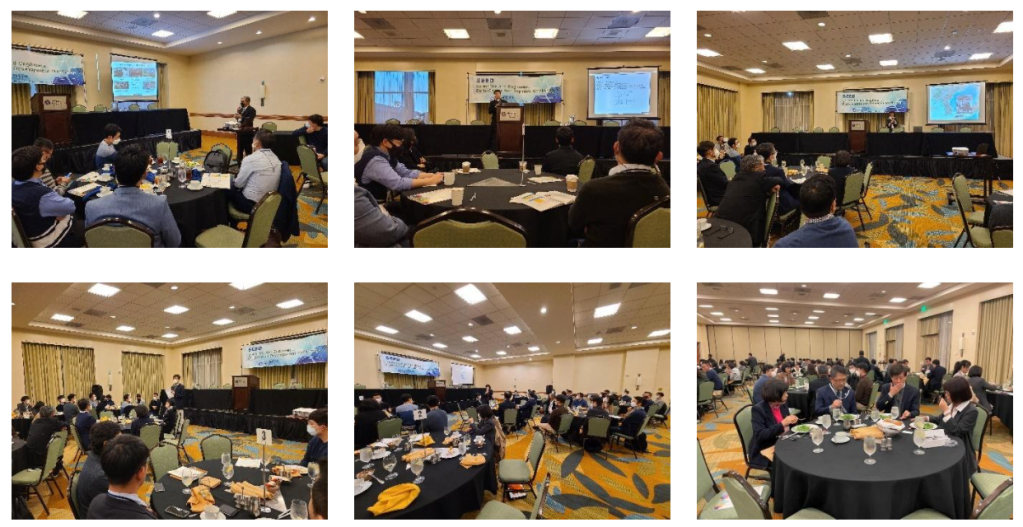
SEED2021 encouraged active interaction among participants and mentors. Therefore, three panel discussion sessions were facilitated during the SEED 2021 Workshop. Two panels were held in the first day in the afternoon and the third panel (with breakout panels) was held in the second day in the morning. Each panel first shared their story or message regarding session topic for 10 to 15 mins first, followed by a Q&A session.
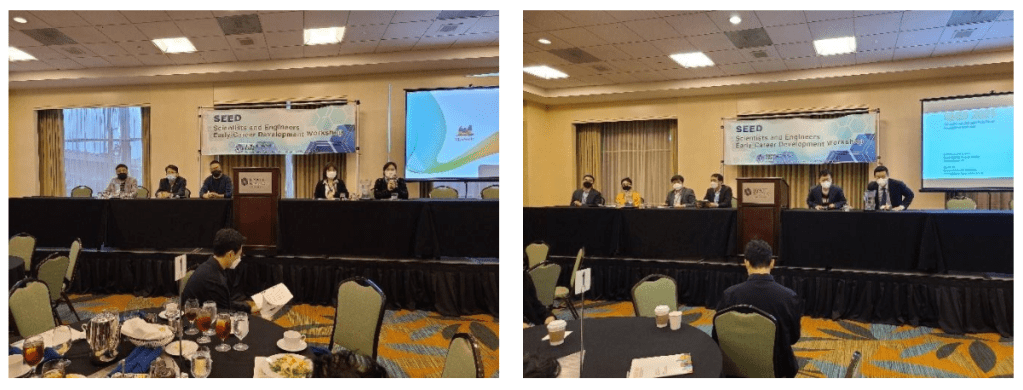
The first panel discussion topic was “Tenure Process, Research Funding and Service (including Time Management)”. Drs. Jiyoung Lee, Hong-Gu Kang, Yoonjin Won, Sibum Song and Boohyun Nam served as the panelists. Followed by brief introduction of the panelists, SEED attendees asked many questions about tenure/promotion process, diversity statement, and work/life balance, and also shared their personal stories regarding the session topic.
The second panel discussion topic was “Seeking Academic/Research Positions, and Diversity”. Drs. Hee Jeung Oh, Jin Ouk Choi, Sung Hoon Kang, Wonmo Kang, Jinkyoung Yoo and Il Minn served as the panelists. During Q&A, several practical questions as well as personal experiences were shared by the attendees, such as work/life balance considerations for a professional career in national laboratories, career decisions among academia, national laboratory and industry, and how to identify and engage with mentors, etc.
The third panel in the second day was hosted in breakout sessions with 4 topic areas, including (i) Work/Life Balance, (ii) Academic Job Search/Interview, (iii) Successful Ph.D. Study and (iv) Research (Funding) & Tenure. Breakout panel sessions were designed to engage the SEED participants in a smaller group setting (between 20-40 people) and to facilitate Q&A and discussions. Each SEED participant was invited to attend two breakout sessions and all plenary speakers/mentors participated as panelists in the breakout panel sessions.
In addition to plenary talks and panel discussions, subgroup meetings were held after the last plenary talk in the first day. This session promotes direct conversations between mentees and mentors, regarding career development, research, and any other topics of interest. Based on their interests and majors, the participants were divided into sixteen subgroups, each of which had 6-8 people including senior and mid-career mentors. During the meetings, participants were able to ask questions and mentors directly provide comments or advice. The subgroup members continued their discussion and/or mingled with other attendees during the networking portion.
The second day Lightning Talk session consisted of approximately twenty self-introduction presentations by participants, aiming to explore collaboration opportunities among the participants. Six assistant professors, seven postdoctoral scholars, and seven PhD candidates gave brief presentations of their research. Many SEED participants showed up for the session in which sparked active discussion among the attendees who had different backgrounds and career paths. The Lightning Talk speakers included Jungyun Bae (Michigan Technological University), Junho Choi (Los Alamos National Laboratory), David Joon Ho (Memorial Sloan Kettering Cancer Center), Jungseok Hong (University of Minnesota), Sangnam Kim (University of Notre Dame), Seungil Kim (University of Pittsburgh), Kichang Kwak (University of North Carolina at Chapel Hill), Taekyoung Kwak (The Wistar Institute), Jeehee Lee (University of Nevada, Las Vegas), Jeesoo Lee (Northwestern University), Youngjoo Lee (University of Rochester), Jungsoo Lim (California State University, Los Angeles), Seth Jaehyun Lim (University of Sheffield), Heeduk Oh (North Carolina State University), Bo Park (California State University, Fullerton), Jounsup Park (The University of Texas at Tyler), Suji Park (Oregon State University), Jeongin Son (Washington University in St. Louis), Suehyun Park (Georgia Institute of Technology), and Kyoung Min Yoo (The University of Texas at Austin).
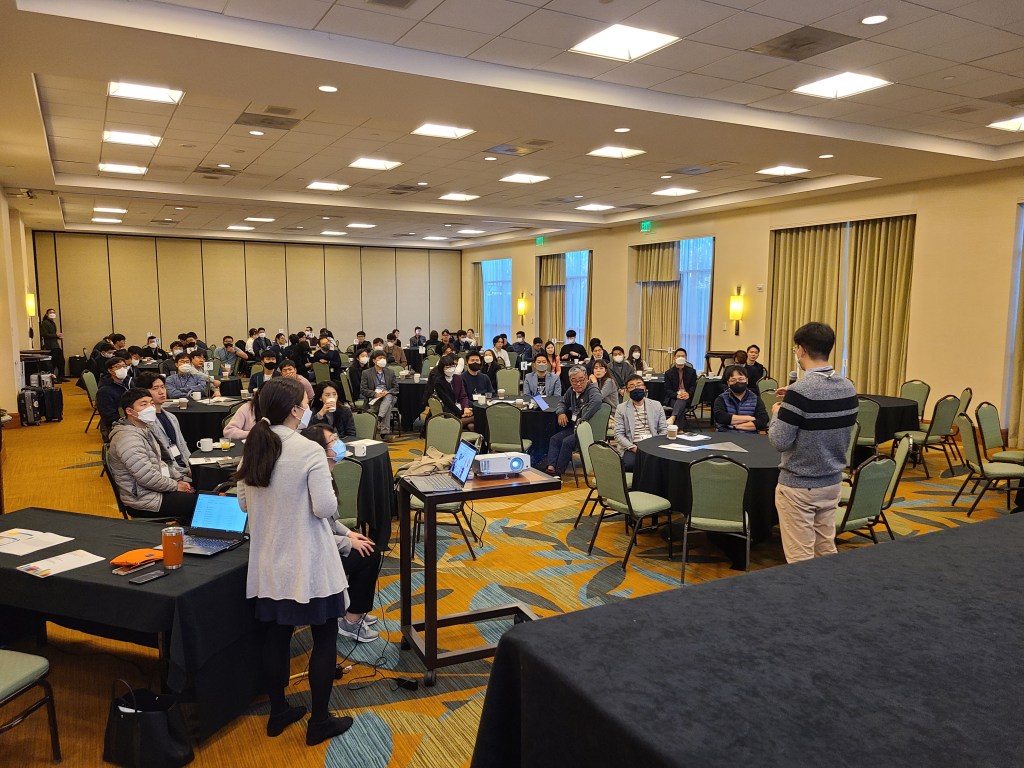
The day-long workshop helped catalyze the networks that will allow us to continuously exchange views and support each other long beyond this year’s workshop. On behalf of the organizing committee, I greatly appreciate all the plenary speakers and mentors for taking time out of their very busy schedules to share their experience and knowledge, and all other attendees for their active participation. My special thanks to all committee members, and KSEA president, Dr. Byungkyu Brian Park, and HQ staff for their support in making this event possible. I sincerely hope that the information shared and the opportunity provided for networking during the workshop will help participants further their career.
Here are testimonials from SEED2021 participants:
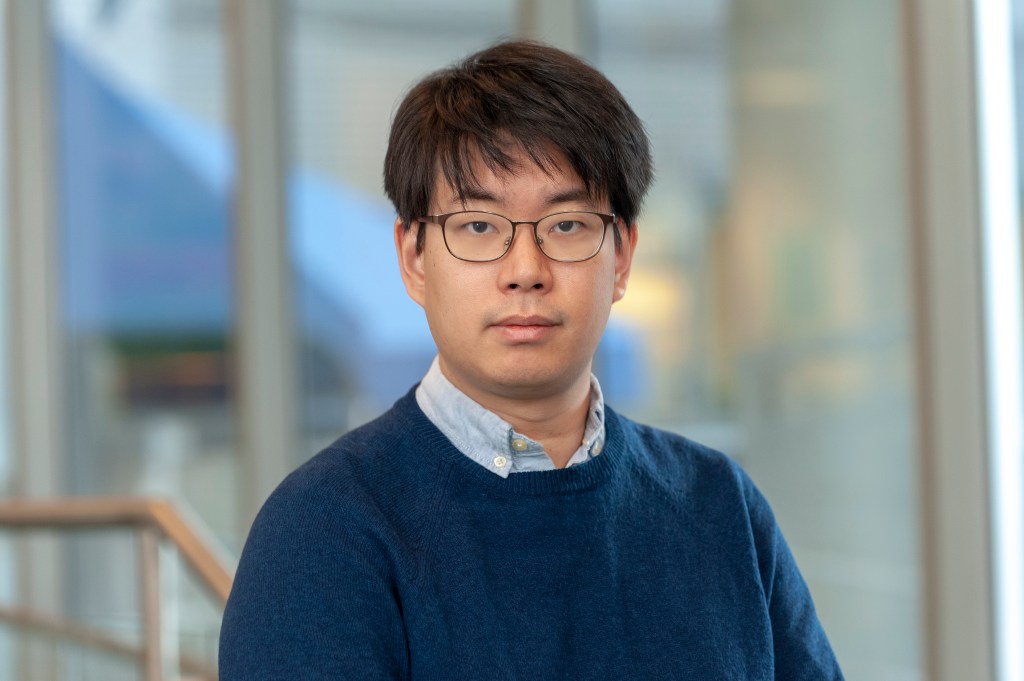
Dr. David Ho
Machine Learning Scientist, Memorial Sloan Kettering Cancer Center
I am so thankful that I was able to participate in SEED 2021. I was able to hear practical tips from mentors which would be extremely helpful for my career development. The lessons I learned from SEED are: (1) academic career development requires careful planning and hard effort, but (2) I feel confident that I will be able to make it through mentors’ supports if I enjoy this career path. I want to express my thankfulness to all mentors who spent their time to travel and share their stories. And I sincerely hope to continue my relationship with SEED participants.
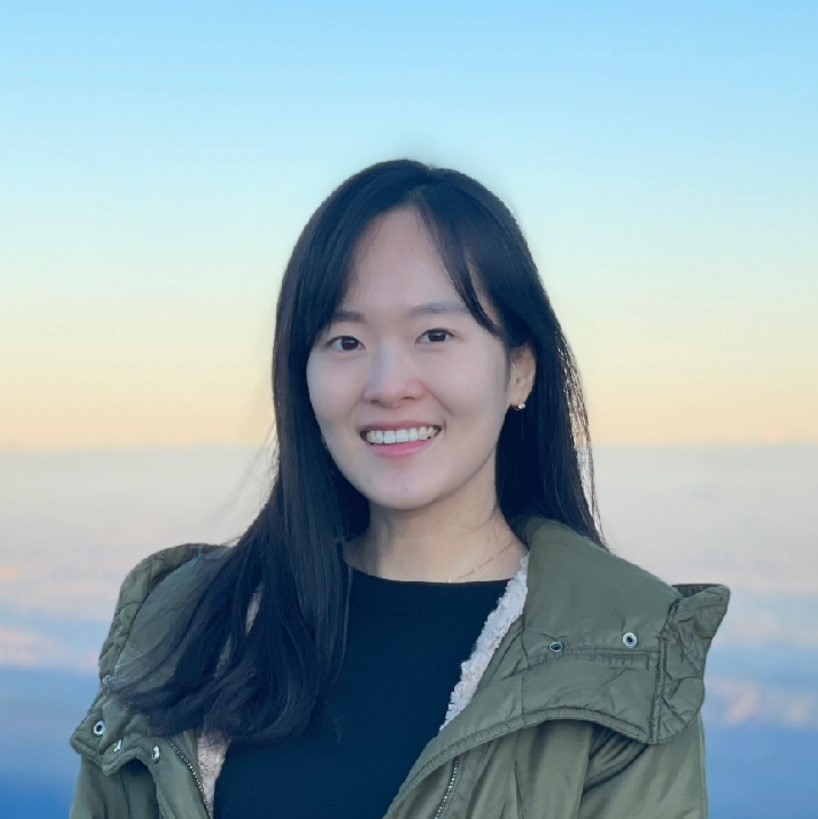
Suji Park
Ph.D. Student, Department of Chemistry, Oregon State University
The SEED workshop motivates us to develop our careers and improve our lives. I highly recommend people to attend if you want to develop yourself. All leaders of plenary and panel discussion sessions are willing to listen to our stories and concerns and provide advice and encouragement. They also share their experiences and decisions in life, and they generously share useful information to prepare for the next chapter. This workshop is also a forum for networking with other groups of people in the same field of study and people from other fields of study. It is an opportunity to learn various fields of research while introducing each other what they are doing, and to consider future collaborations. I look forward to attending SEED next year again.
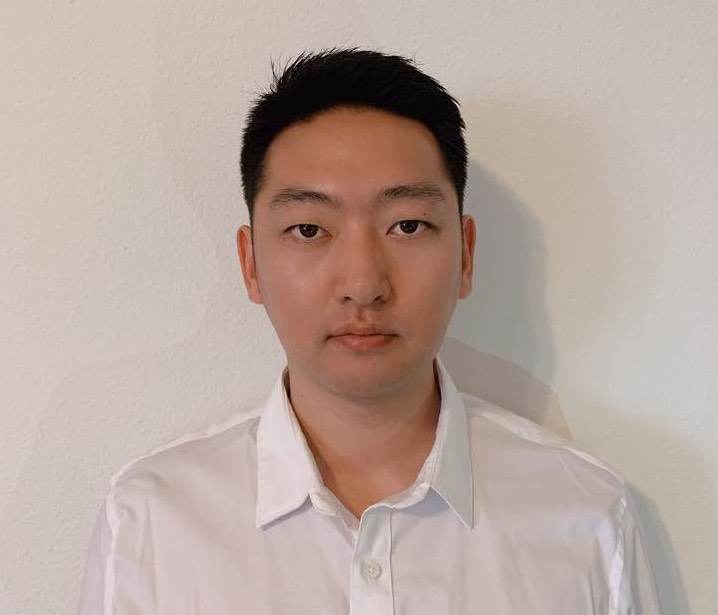
Jungyeon Jang
Ph.D. Student, Civil Engineering, Texas A&M University
As a Ph.D. candidate, I had my goals, and career aspirations for a career were paramount. While understanding the situations and barriers to obtaining a Ph.D., I have devoted a tremendous amount of time and energy to achieving it. Just like getting a Ph.D., I think the SEED program is the most valuable workshop that solves the issue of choosing a post-doctoral job. For example, practical advice from incumbent professors and researchers is a great opportunity to rethink the future. If you are looking for the best preparation for a job, I strongly recommend referring the SEED program. Although the program lasted two days, the mentors gave me confidence in what job I could get after graduation. There is no doubt that even after I get my Ph.D. I will continue to remind their advice.
Organizing Committee
Reported by
 KSEA e-Letters