
Reported by Allie Yoon (Katalyst 2025 Next-Generation Chair)
and Clara Kim (Katalyst 2025 Chair)
Katalyst 2025 was held in Research Triangle Park, NC on February 21-23, 2025. Katalyst (Korean-American Mentorship and Leadership Immersion for Young Scientists and Technologists) is a conference designed for leadership and career growth of Korean-American undergraduate students in STEM. By fostering mentorship and providing networking opportunities, Katalyst aimed to cultivate future Korean-American leaders in STEM, equipping them with skills crucial for their post-undergraduate paths in academia and/or industry. This second iteration of Katalyst, which had its inaugural launch last year, brought together around 100 students, VIPs, speakers, and mentors.
The theme for Katalyst 2025 was “Building Bridges, Shaping Leaders: From Ambition to Action.” This theme emphasized the transitional journey students take from possessing raw ambition to becoming impactful leaders. It focused on the concept of “building bridges” — not just physical or career-oriented bridges, but also metaphorical bridges between students and mentors, between personal aspirations and actionable goals, and between the present and the future. Through various mentorship and leadership workshops, the participants gained valuable insights for transforming raw ambition to actionable leadership and experienced the importance of networks, collaboration, and practical skills development in their career endeavors.
Participant Demographics
Katalyst 2025 brought together undergraduate students from diverse geographic locations, academic levels, and fields of study. 49.1% of the participants were female. Participants traveled from various renowned undergraduate institutions around the country, such as Harvard University, Brown University, University of Pennsylvania, Cornell University, UCLA, Duke University, etc.
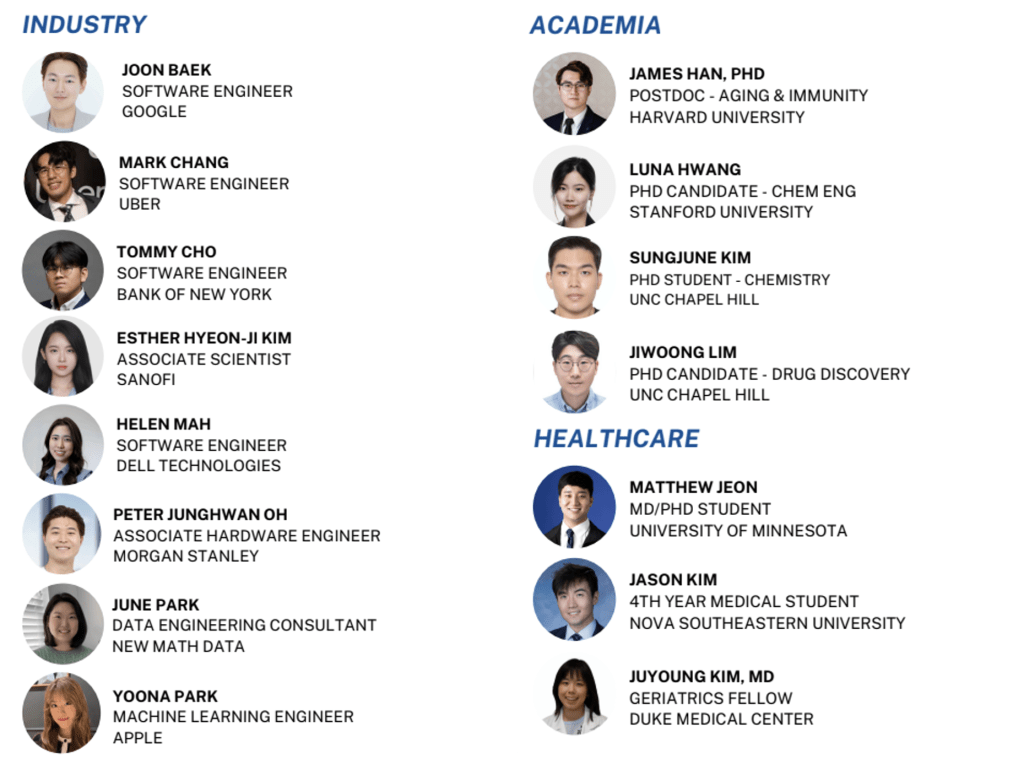
Katalyst 2025 invited 15 mentors from industry, academia, and healthcare fields with less than 10 years of professional experience post-graduation. Please see the full list of mentors below:
Pre-Conference Optional Program: Duke Campus Tour (Friday, February 21)
Participants who arrived in North Carolina early on Friday had the opportunity to join a new Katalyst program featuring a guided tour of Duke University. Led by undergraduate student volunteers Jennifer Ha and James Yae, the tour attracted 15 Katalyst participants. Jennifer and James highlighted Duke University’s history and showcased key STEM department buildings during this one hour tour. A standout moment for participants was their visit to the Innovation Co-Lab, a cutting-edge facility equipped with 3D printers, VR technology, and other advanced tools that enable students to explore, experiment, and innovate freely.

Friday Networking Dinner
Participants gathered for a networking dinner at Yum-Yum Thai, a Korean-owned Thai restaurant in Cary, NC, providing undergraduate students and mentors with their first opportunity to connect. Concurrently, the Korean Consulate of Atlanta hosted a VIP dinner (간담회) in a private section of the restaurant. This exclusive gathering was attended by Deputy Consul General Suk-Woo Kim and Consul Yuli Park, along with KSEA leaders, including President Tom Oh, Katalyst Chair Clara Kim, Young Generation Committee Chair Jonathan Kim, and other emerging leaders of KSEA.

Day 1 (Saturday, February 22)
Opening Ceremony
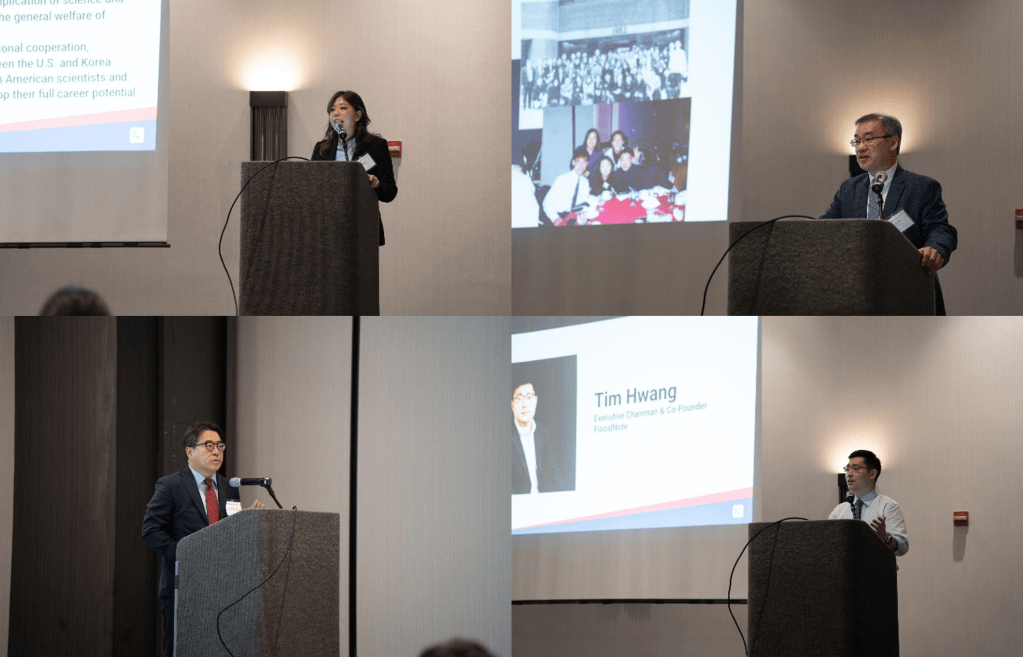
The conference began with opening remarks by the Katalyst 2025 Chair, Clara Kim. Clara shared her experiences attending a KSEA national event for the first time as an undergraduate student and becoming inspired to value networking and mentorship opportunities. KSEA President Tom Oh attended to give welcome remarks. The Deputy Consul General of the Korean Consulate of Atlanta, Suk-Woo Kim, also attended as a co-host to give his congratulatory remarks.
This year, Katalyst also invited a plenary speaker for the Opening Ceremony. Tim Hwang, Founder of FiscalNote, delivered an inspiring speech, setting the tone for a weekend of mentorship and leadership development. As the founder of FiscalNote, he shared valuable insights on innovation, entrepreneurship, and the intersection of technology and policy. His speech resonated with attendees, encouraging them to embrace challenges, think critically about their career paths, and take initiative in shaping the future of STEM. His presence was a highlight of the conference, and participants commented on the inspirational impact he had on this group of aspiring Korean-American leaders at Katalyst.
Mentorship Session 1: Career Mythbusters
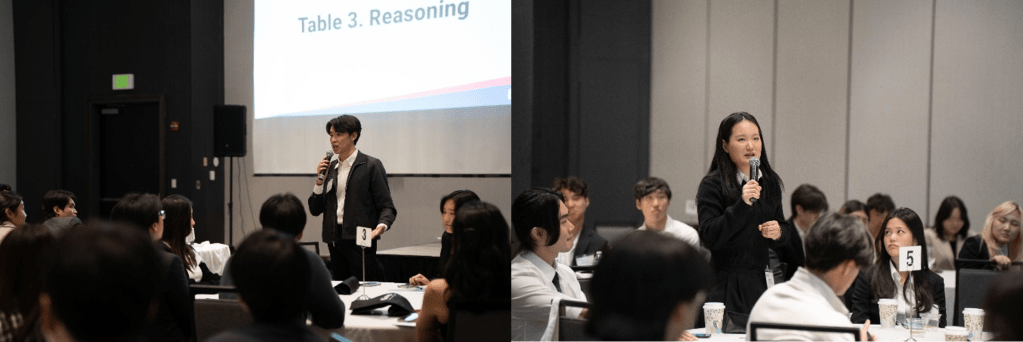
The “Career Mythbusters” session engaged attendees in an interactive, team-based activity designed to challenge common misconceptions in the workforce. Participants were divided into small groups, and each group was assigned a myth to evaluate. After an initial vote amongst all participants on whether they believed the myth was true or false, teams engaged in their own discussions, drawing from personal experiences and industry knowledge to form rational reasoning for the side they chose. Each group then shared their reasoning with the room before a second round of voting. The winning team was determined by the largest shift in votes, recognizing their ability to influence opinions through discussion and persuasive presentation.
Lunch
During lunch, participants were provided an extended period of time to freely converse with mentors and fellow attendees. This was a valuable opportunity to network with various individuals in a more casual setting. During the lunch and breaks, participants also visited the sponsor booth presented by LG U+

YG Group Leaders Session
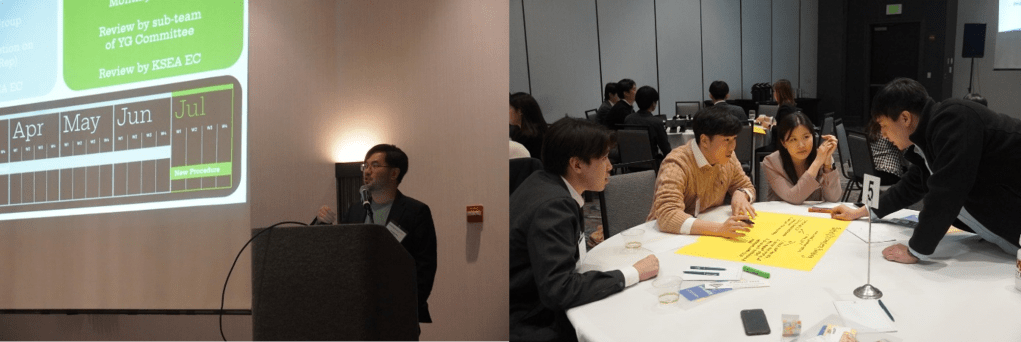
During the second half of lunch, the YG Group Leaders gathered at the conference room to participate in a leadership workshop. The leadership workshop began with an informational presentation about YG funding from YG Committee Chair, Jonathan Kim. The latter part of the YG Group Leader Session offered a unique opportunity for KSEA YG Group leaders nationwide to connect, collaborate, and exchange ideas through an engaging roundtable workshop.
During the session, YG leaders worked together to brainstorm solutions for common issues faced by YG Groups, such as funding large-scale events, enhancing membership retention, and ensuring smooth leadership transitions. In small groups, these participants shared their experiences serving as YG Group leaders, discussed managerial challenges, and provided organizational insights/advice to one another. In addition to structured discussions, the session also facilitated informal networking and collaboration among YG Groups.
This session was open to undergraduate YG Group Presidents, Vice Presidents, and other key leaders within YG Groups.
Poster Session
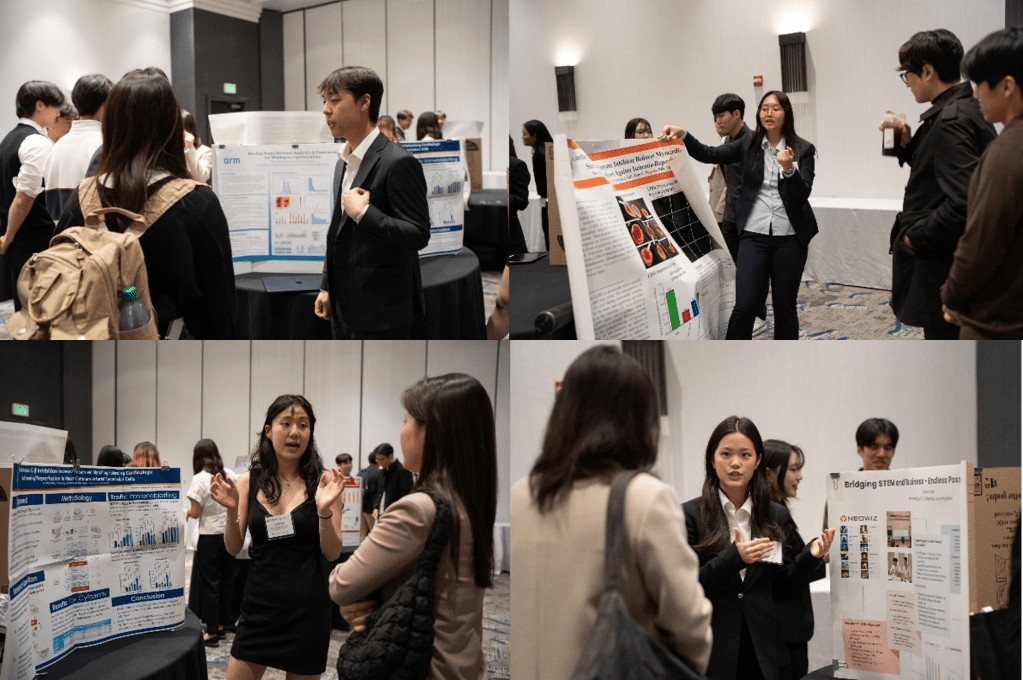
The Poster Session provided attendees an opportunity to present a printed poster on a technical or non-technical topic of their choice, aligning with the Katalyst 2025 theme, “Building Bridges, Shaping Leaders: From Ambition to Action.”
Technical topics included areas such as scientific research, internship experiences, and career strategies, while non-technical or “passion” topics covered subjects like personal finance, AI, and Web3. All posters were expected to reflect the conference theme and audience, fitting into one of the following four categories: Academic Research; Internship/Industry Journey; Networking, Leadership & Soft Skills; and Passion Topic. Participants and mentors freely visited each poster and provided feedback through evaluation forms.
Small Group Discussion
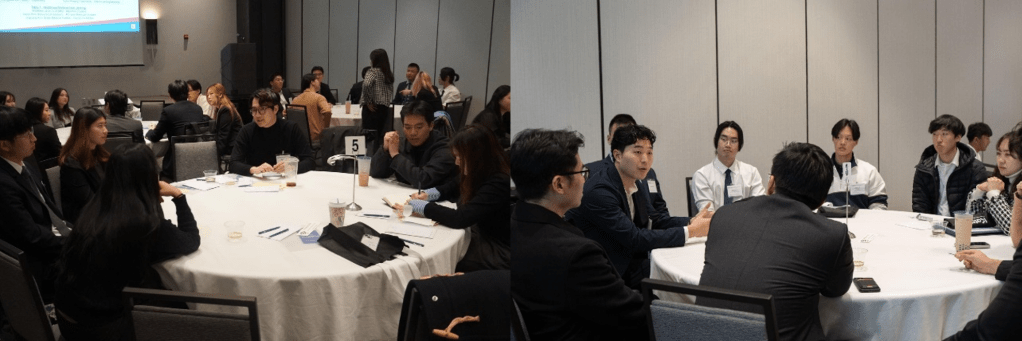
The Small Group Discussion session provided relatively older participants with an opportunity to share their college experiences and insights with younger peers. The upperclassmen presenters gave 5–10 minute talks on topics such as academic studies, research opportunities, internships, or post-graduation preparation. These presentations took place in small groups, allowing underclassmen interested in similar paths to gain valuable perspectives. After presenting, participants facilitated meaningful discussions to further engage their peers.
Mentorship Session 2: Career Pathway Breakout Session
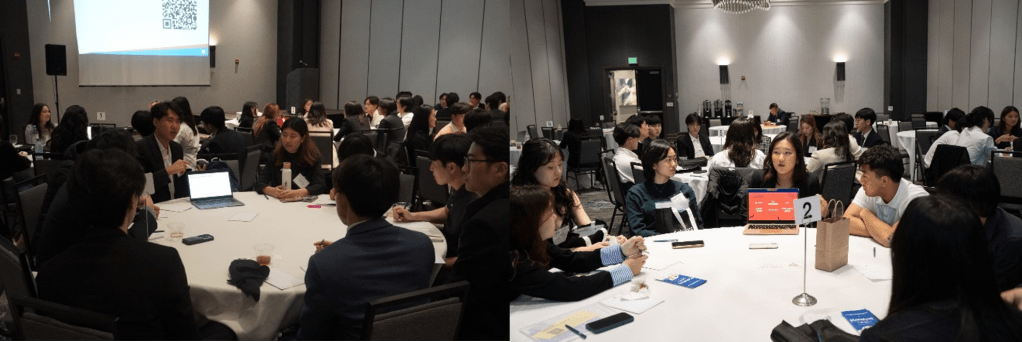
Mentorship Session 2 provided attendees with valuable insights into various career trajectories through three specialized panels: Academia, Industry, and Healthcare/Medical Track. Each table was led by mentors who shared their career journeys, offered advice on navigating transitions—such as moving from a PhD to industry or switching fields—and engaged in Q&A sessions for personalized guidance. The session featured three 15-minute discussion rounds, allowing mentees to rotate between tables and gain diverse perspectives. This dynamic format fostered meaningful mentorship connections and equipped participants with practical knowledge to navigate their own career paths.
Dinner
Dinner was held at Okja, a Korean restaurant in Cary, NC. Participants were encouraged to engage with one another and the mentors in an open seating format. To ensure inclusivity for underaged attendees, no alcohol was provided during the event. This relaxed setting offered an opportunity for participants to socialize and network informally while enjoying food.
Day 2 (Sunday, February 23)
Mentorship Session 3: Career Skills Workshop
Held on Sunday morning before the Closing Ceremony, Mentorship Session 3 offered participants hands-on guidance in key professional development areas, including resumes, networking, and interviews. The session was structured into four interactive stations, each focused on a specific career skill: MD Applications, Graduate School/PhD Applications, Resume Review (attendees brought physical copies for feedback), and Interview Skills & Elevator Pitch.
Participants were encouraged to move freely between stations to seek personalized advice from mentors. Mentors reviewed individual resumes and applications and provided tailored suggestions. The dynamic, station-based format created an engaging environment where participants could gain practical insights and refine their career preparation strategies.

Closing Ceremony
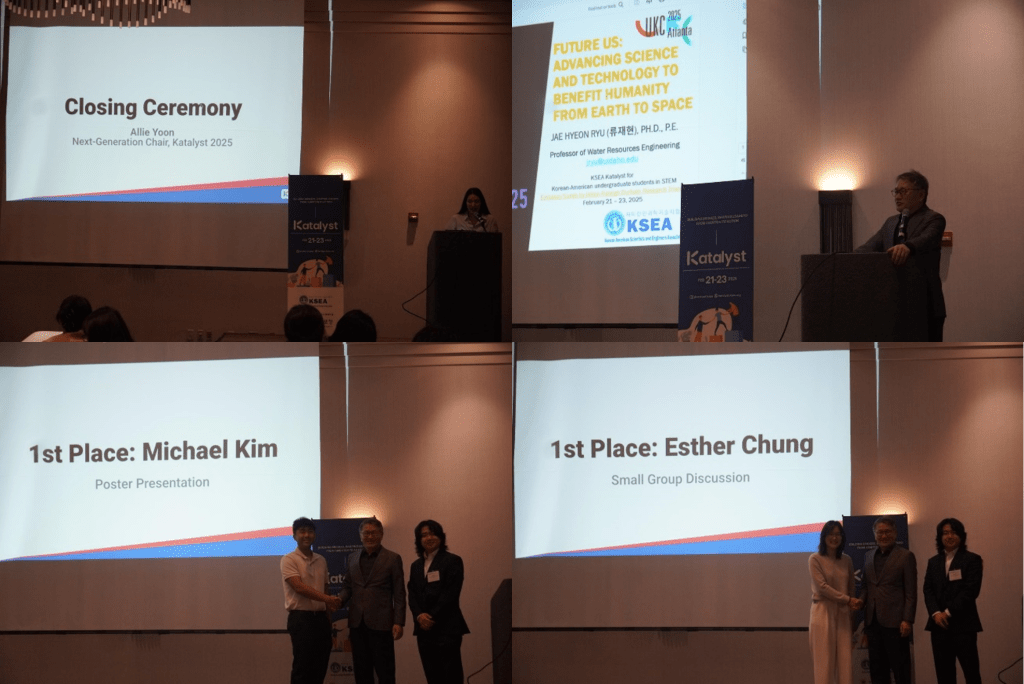
During the closing ceremony of Katalyst 2025, participants came together to reflect on their experiences and assess how their skills had developed throughout the conference’s mentorship programs. Notably, attendees reported the greatest improvement in their ability to network and build lasting relationships with peers and mentors. Awards were also presented to outstanding participants. Outstanding Poster Presentation was awarded to Michael Kim from USC, and Outstanding Small Group Discussion Lead was awarded to Esther Chung from USC. Closing remarks were given by Next-Generation Chair Allie Yoon, which involved a brief presentation on ways to engage further with KSEA YG, including scholarship opportunities and national events. With that, Katalyst 2025 officially concluded.
Katalyst 2025 Sponsors
Individual Sponsors:
KSEA 53rd Executive Committee, Yongho Sohn, YoungKee Kim. Sung-Kwon Kang, Youngsoo Kim. Thomas Hahn, Dennis Cha, Sam Chung, Yong-sup Yoon (KarisBio Inc/Emory University), Clara Kim
Katalyst Organizing Team

 KSEA e-Letters